


Mouthpiece 2: looking back to go forward
A hard drive crashing is never a good thing but, as an eternal optimist, I can see the good that is coming from it. I’ll get to that.
Don’t worry - it’s not as bad as it could’ve been – I have it all backed up in the cloud and this was a backup hard drive anyway. It has drawn my attention to just how full my main drive is. While the price of external memory is far cheaper than it was, I still don’t want to be buying new drives unnecessarily. It was clearly time for a good old-fashioned clear out.
As a street photographer, I’m very well used to that boom and bust cycle of returning on a high from a good day’s photowalk only to realise that a meagre three of the 600 images I took are worth a second glance. However, I only ever delete the very worst – completely missed images. Logically {and mathematically) this means that a good 95 to 98% of images on my hard drive images were there for no reason at all.

Piccadilly Grind. Oct 2014.
Now, I know that some of those are almost there, also-rans, and close enough. Some are images which have something about them; something which may become apparent one day – I really do think this. Maybe I took an image instinctively and I’m not yet fully skilled enough to appreciate it. Or an image, which processed or cropped the right way, will earn a place in my library.
That still leaves an awful lot of dead weight.

Paris, France. June 2014.
In the interest of sound financial management, it was time to kick out the junk and free up some space. It was therapeutic – keywording and organising as I went (like one huge sock drawer). It was time consuming (very). It was nostalgic - family no longer with us, kids when they were small, holidays enjoyed. It was also quite an eye-opener.
My first tentative street photography images from 2014 (before I even knew street photography was a thing) had far more about them than I had expected. Sure, there was a freshness and innocence which was, at times, jarring and embarrassing– some were literally just people on a street. But there was also a distinct voice in those images and the beginnings of a voice that I could definitely recognise as mine, if a little high pitched. I could still see why I had taken them and what I was trying to do.

Cambridge, England. Dec 2014.
At times, I was bowled over by how bold I had been to even take the image - am I backing off more these days? Have I become more cautious? Perhaps I was more prepared to experiment.
Some of these images have been processed. And boy had they been processed – within a hairsbreadth of their fledgling lives. Clarity crunched. Texture trashed. Saturation off the scale. Some of these could be reset and salvaged – and in a spare set of moments I intend to revisit them
Perhaps time spent looking at others work and teaching myself through YouTube had led to some kind of aggregation or a smoothing away of rough edges.
It’s not unusual to overdo all of these things when you first discover the processing toy box. What surprised me was the feeling that I actually preferred some of them to the more subtle, real life processing I’ve been aiming for in recent years. My recent images feel more like a clinical document instead of an expression of how it felt to be there at the time.
Deep down I always knew that my photography was not aiming to be a scientific record or historical testimony; but something more about mood, environment, character and art. What I hadn’t expected was that these faces from the past would cause me to pick up where I left off– pushing me to express more of my own vision through both the images I take and how I process them.
Looking back has taught me to see a truth that had been clouded and has enabled me to strive for something I now realise I had lost. I had lost sight of the expression, the art, in my records of the street.
Out with the old. In with the old.
Recently I had to undergo minor surgery and I am now fifty percent through a two week convalescence period. Unable to work or do little more than rest, it has been an opportunity to listen, watch and read. My mind has also turned to my photography (predictably) and I took the prudent step of closing my online store which just seemed to be an excuse to throw money away. Instead I bought a printer, thinking it would be a good project while I convalesce. Of course, it would be. However, having had it delivered, it is now languishing by the front door - as if unable to make up its mind as to whether to come and join us or scurry away from whence it came - because I am unable to lift anything heavy for 2-4 weeks. It’s very zen - teaching me patience.
Watch:
These videos from Nigel Danson and Thomas Heaton have whet my appetite for getting started with printing my images myself.
Thomas Heaton
My Printing Workflow from Start to Finish
How I Run & Operate My Photography Business
Nigel Danson
7 PHOTO PRINTING MISTAKES to AVOID
READ:
I’ve had lots of time to read - often in the middle of a three hour stretch of discomfort in the wee small hours. I am really enjoying getting stuck into “Comanche Moon” by Larry McMurtry and part of the Lonesome Dove westerns - if you like that sort of thing, I’d definitely recommend the whole series.
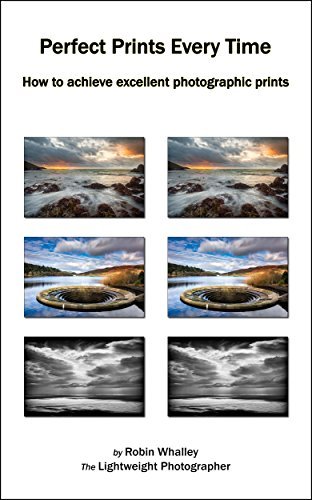
Photographically, and with my budding printer’s cap well and truly doffed, I found Robin Whalley’s short ebook Perfect Prints Every Time: How to achieve excellent photographic prints Kindle Edition to be a great walk through for what’s looking like being a bit of an inky minefield. Robin has several short and very practical ebooks available and also runs a YouTube channel of his own. It’s full of useful videos about various photo editing software programmes, printing and landscape photography. Plenty to support any kind of photographer.
Listening to….
A music headed colleague and kind soul, sent me a playlist which she called Recoup to help me during my convalescence. The first track seemed so evocative, lying wide awake in the middle of the night. Here it is: "Epilogue" by Olafur Arnalds
I hope you’ve enjoyed this edition of Mouthpiece - if you have any thoughts or similar experiences looking back on your earlier works I’d love to read them in the comments below. Similarly, if you have any tips, advice or things to avoid with home printing that would be great too.
Or if you just want to drop by and say hello it would be good to hear from you.
I will let you know how the whole printing thing shapes up!
All the best,


Southsea, England. July 2014.

Mouthpiece 2: looking back to go forward


A hard drive crashing is never a good thing but, as an eternal optimist, I can see the good that is coming from it. I’ll get to that.
Don’t worry - it’s not as bad as it could’ve been – I have it all backed up in the cloud and this was a backup hard drive anyway. It has drawn my attention to just how full my main drive is. While the price of external memory is far cheaper than it was, I still don’t want to be buying new drives unnecessarily. It was clearly time for a good old-fashioned clear out.
As a street photographer, I’m very well used to that boom and bust cycle of returning on a high from a good day’s photowalk only to realise that a meagre three of the 600 images I took are worth a second glance. However, I only ever delete the very worst – completely missed images. Logically {and mathematically) this means that a good 95 to 98% of images on my hard drive images were there for no reason at all.

Piccadilly Grind. Oct 2014.
Now, I know that some of those are almost there, also-rans, and close enough. Some are images which have something about them; something which may become apparent one day – I really do think this. Maybe I took an image instinctively and I’m not yet fully skilled enough to appreciate it. Or an image, which processed or cropped the right way, will earn a place in my library.
That still leaves an awful lot of dead weight.

Paris, France. June 2014.
In the interest of sound financial management, it was time to kick out the junk and free up some space. It was therapeutic – keywording and organising as I went (like one huge sock drawer). It was time consuming (very). It was nostalgic - family no longer with us, kids when they were small, holidays enjoyed. It was also quite an eye-opener.
My first tentative street photography images from 2014 (before I even knew street photography was a thing) had far more about them than I had expected. Sure, there was a freshness and innocence which was, at times, jarring and embarrassing– some were literally just people on a street. But there was also a distinct voice in those images and the beginnings of a voice that I could definitely recognise as mine, if a little high pitched. I could still see why I had taken them and what I was trying to do.

Cambridge, England. Dec 2014.
At times, I was bowled over by how bold I had been to even take the image - am I backing off more these days? Have I become more cautious? Perhaps I was more prepared to experiment.
Some of these images have been processed. And boy had they been processed – within a hairsbreadth of their fledgling lives. Clarity crunched. Texture trashed. Saturation off the scale. Some of these could be reset and salvaged – and in a spare set of moments I intend to revisit them
Perhaps time spent looking at others work and teaching myself through YouTube had led to some kind of aggregation or a smoothing away of rough edges.
It’s not unusual to overdo all of these things when you first discover the processing toy box. What surprised me was the feeling that I actually preferred some of them to the more subtle, real life processing I’ve been aiming for in recent years. My recent images feel more like a clinical document instead of an expression of how it felt to be there at the time.
Deep down I always knew that my photography was not aiming to be a scientific record or historical testimony; but something more about mood, environment, character and art. What I hadn’t expected was that these faces from the past would cause me to pick up where I left off– pushing me to express more of my own vision through both the images I take and how I process them.
Looking back has taught me to see a truth that had been clouded and has enabled me to strive for something I now realise I had lost. I had lost sight of the expression, the art, in my records of the street.
Out with the old. In with the old.
Recently I had to undergo minor surgery and I am now fifty percent through a two week convalescence period. Unable to work or do little more than rest, it has been an opportunity to listen, watch and read. My mind has also turned to my photography (predictably) and I took the prudent step of closing my online store which just seemed to be an excuse to throw money away. Instead I bought a printer, thinking it would be a good project while I convalesce. Of course, it would be. However, having had it delivered, it is now languishing by the front door - as if unable to make up its mind as to whether to come and join us or scurry away from whence it came - because I am unable to lift anything heavy for 2-4 weeks. It’s very zen - teaching me patience.
Watch:
These videos from Nigel Danson and Thomas Heaton have whet my appetite for getting started with printing my images myself.
Thomas Heaton
My Printing Workflow from Start to Finish
How I Run & Operate My Photography Business
Nigel Danson
7 PHOTO PRINTING MISTAKES to AVOID
READ:
I’ve had lots of time to read - often in the middle of a three hour stretch of discomfort in the wee small hours. I am really enjoying getting stuck into “Comanche Moon” by Larry McMurtry and part of the Lonesome Dove westerns - if you like that sort of thing, I’d definitely recommend the whole series.
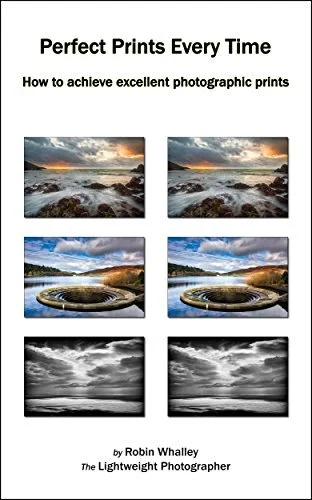
Photographically, and with my budding printer’s cap well and truly doffed, I found Robin Whalley’s short ebook Perfect Prints Every Time: How to achieve excellent photographic prints Kindle Edition to be a great walk through for what’s looking like being a bit of an inky minefield. Robin has several short and very practical ebooks available and also runs a YouTube channel of his own. It’s full of useful videos about various photo editing software programmes, printing and landscape photography. Plenty to support any kind of photographer.
Listening to….
A music headed colleague and kind soul, sent me a playlist which she called Recoup to help me during my convalescence. The first track seemed so evocative, lying wide awake in the middle of the night. Here it is: "Epilogue" by Olafur Arnalds
I hope you’ve enjoyed this edition of Mouthpiece - if you have any thoughts or similar experiences looking back on your earlier works I’d love to read them in the comments below. Similarly, if you have any tips, advice or things to avoid with home printing that would be great too.
Or if you just want to drop by and say hello it would be good to hear from you.
I will let you know how the whole printing thing shapes up!
All the best,


Southsea, England. July 2014.
Instagram: Doing it for the love - not for the likes

Doing it for the love - not for the likes
In my last post I wrote about Instagram being a huge social melting pot with representatives of just about every person you could possibly imagine - the best bar in the world.
I want to you to grab a pint in that bar now and settle back while I talk about my views on what makes it work for me. This is purely personal so please take it with a pinch of salt (and vinegar crisps) but bear in mind that my thoughts and experiences are likely to be similar and even familiar to you.
As I mentioned before “for photo sharing, it’s the best place we have to display our media to a wide audience.” Okay so the image is going to be relatively tiny but think of the coverage compared to what you may have had EVER before. Use that small phone sized image as a taster for your website – an aperitif, if you will – for those higher resolution images if you want.
Of course, if you can show your images then so can anyone. Hence the vast amount of traffic all day every day. Because of the two-way nature of Instagram I am going to write about what I think should be posted in a photographer’s feed – which images to post, which to leave out and how to manage it. Then I will write about what I want to see from others when I open Instagram each time.

A Photographer’s Feed:
Shoot for yourself - firstly, post the pictures that you would want to see. One of the reasons I wanted to take photos was that no one was quite expressing what I wanted to see in a photograph. If you are shooting the images you want to see then you should be posting them too.
That’s much easier said than done; especially when likes and followers begin to be taken into account. It’s very easy to get drawn into posting images that you think will garner most likes and new followers. You should resist this as much as possible. Shoot and post for you – there are enough people out there who over time will find and appreciate what you are doing if it is of quality. That way you post images you believe in and, most importantly, you develop your own distinctive style. I love reflections, night scenes, harsh light, umbrellas, shadows, silhouettes, smokers, hats, close ups and details, wide scenes, layers, reds, blues, high contrast black and whites, juxtapositions - and that means I shoot all of those. Not just hats; or silhouettes; or steamy Soho night scenes… as much as I love them, or whatever else is currently getting the love.
Feedback – better to give and receive
I relish meaningful feedback - especially when it comes from other photographers who I admire and respect. Criticism is so important if we are to grow and develop our craft. We all know how an image that we have spent ages framing up, processing and posting can easily just be seen through our own optimistic glasses. We wonder why others can’t see the amazing image that we waited for hours in the rain to catch. But the viewpoint of others means so much if we are to progress. Instagram gives us a ready-made audience for our work; ready made to offer tips, advice and, if you’re lucky, plaudits, for what we post.
The downside, and the one danger of Instagram, is that it can massage your ego rather than keeping it in check. Like for a like does not necessarily engender criticism. However, if someone gives up their time to comment on something I have posted then that should not be discounted. It’s a big deal. And I will try to repay that with a comment in return. As I said in my previous post, this is the social part of Instagram. It’s where relationships are forged. So, welcome comments – and be positive in return. Be nice – “if you can’t say something nice then say nothing at all” is a good maxim. Criticism helps us grow but nurturing feeds us.
Networking – we are social animals, even if it doesn’t always seem like it. And if you have signed up for an Instagram account then you can bet you are among the more sociable of those social animals. Feedback in both directions creates relationships - you’ll be surprised how well you get to know other photographers. The next step is often for some of these online relationships to become “meet-ups” and photowalks where you can share and explore great places to shoot, gear ideas and thoughts, and inspire one another. There is nothing like shooting in an area with other creative photographers to raise your game. But even without a physical meet-up, the benefit of interacting online can be much like the benefits of a shared photowalk.
Hashtags – something of a dirty word, or at least fraught with opinion and division. Basically, if you don’t use hashtags you may as well pop a photo in a glass bottle and fling it in the North Sea. The chances of anyone finding your work will be remote. A few (up to 30) well-chosen hashtags relevant to your image (don’t use #blackandwhite if the image is colour) will ensure that it gets noticed. I’m no expert but it seems like a Goldilocks problem – the popular hashtags are so huge that your work won’t appear for long enough to be seen, whereas the tiny hashtags will have little reach. They need to be just right to get picked up. Oh, and they change over time. And don’t start me on the algorithm. I’m not wasting time trying to guess what it’s doing or how it works.
And finally, on your own feed, don’t worry about the number of likes - hard to do and I wish I could say I didn’t always, but I am getting better and, yes, it is very liberating. I honestly feel that if I post what I want to see then I will find people who follow me because they see the world in the same way or are interested in how I see the world.
In short, post for you - and be nice.

What I see:
I want to be inspired. I want you to post images that stop me and make me think.
Surprise me - develop your own style but I don't simply post variations of the same thing all the time.
Keep your feed clean – by that I mean stick to one genre (for want of a better word). I don’t want photos of meals, mountains, mates… I am a street photographer and you can tell this by looking at my feed. The feeds I want to follow are street photography feeds too. If you want to photograph your kids, pets, holidays that’s great, but have a feed for them. You can have as many feeds as you can manage. However, if you want me to follow your street work then that will be all I want to see.
And curate your feed - don’t follow a travel photographer unless you want shots of pyramids and elephants in your feed. Follow for a follow soon clutters up your feed with people who are not genuinely interested in you or what you are posting – but are genuinely interested in having you on their follower list. If I don’t follow you, it’s not personal. I’ve found some amazing images on Instagram but if they aren’t street photography I won’t follow them on my street feed.
Hashtags – the double-click on an image is a really great way of liking a picture – far simpler than navigating to the heart to click. However, there’s nothing more irritating to me to find the image is filled with hashtags. Use hashtags in the caption or the comments - not on the image; no one wants to suddenly find they’re whisked away to somewhere else just because they tried to like your image.
Don’t tag me in an image just to get me to look at it. If I’m in it, or if it’s truly relevant then fine. But if you just want me to see you then it’s just noise and its irritating. It’s like knocking on my door and legging it.
So…
Accept it for what it is – probably the best image sharing tool we currently have it. Enjoy it. Do it for the love – not for the likes.
This was going to be a few thoughts – I hope it’s not too much of a rant (oh dear) – most of all I hope you find it useful. Let me know in the comments below.
Have a good one.
Instagram - probably the best bar in the world
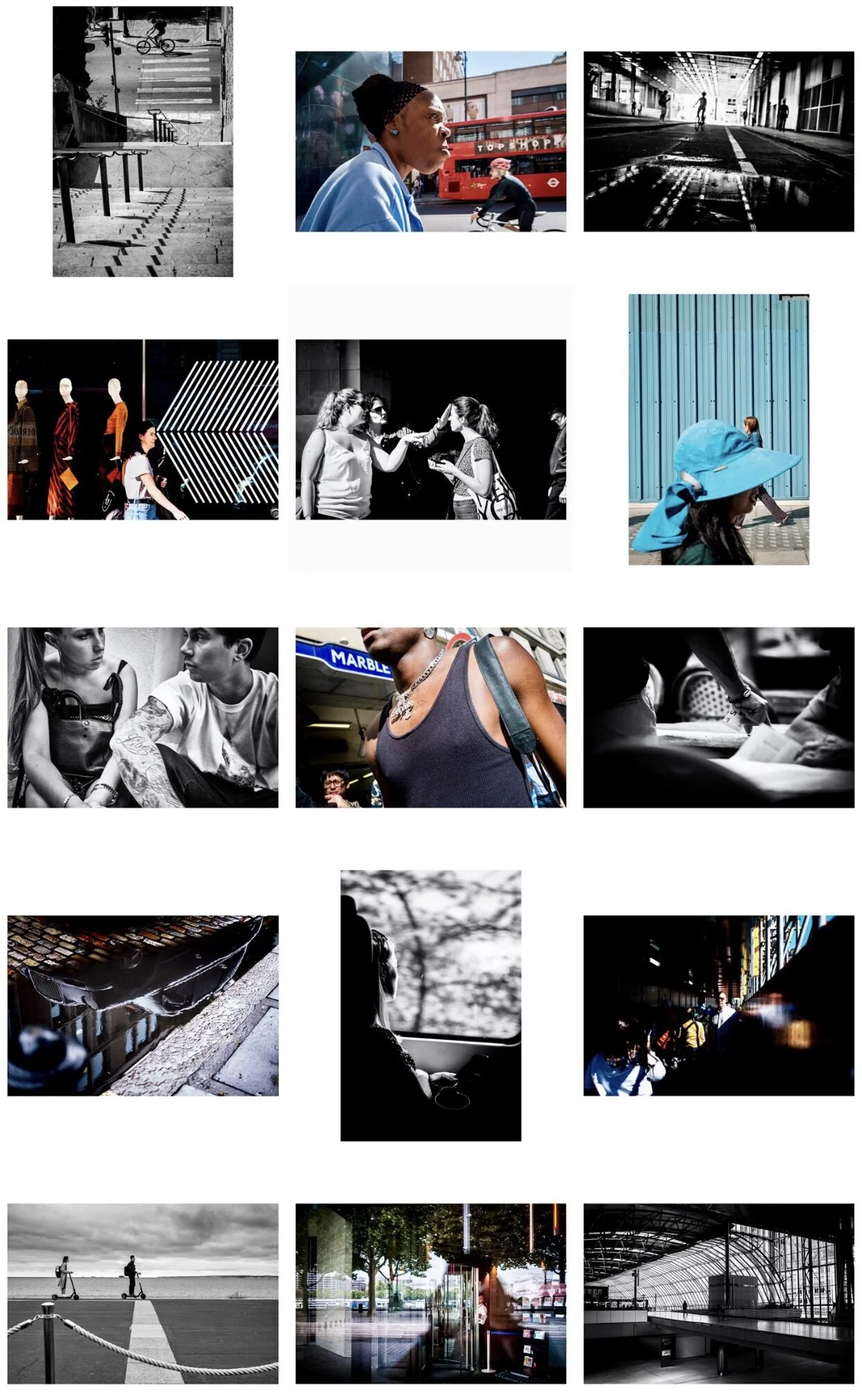
@hueyraw
Imagine a bar, a pub or a cafe that everybody wanted to go to. Somewhere for everyone. A tropical beachside venue with a roasting log fire and views of the alps and distant desert islands. The most comprehensive jukebox in the world playing the tracks that you want to hear, just when you want to hear them. Over in the corner, a group of older people huddle convivially - playing darts, cribbage, or just bemoaning the younger generation. While over on the other side beneath the flashing lights, those only just old enough (if that) to be allowed entry compare tattoos, biceps, and lengths of mini-skirts. Then there’s you. And your mates - lots of them - swapping stories and riffing off each other’s energy and world view. Every night, it’s much the same. You can choose to spend your time with your mates, or sometimes show off your tattoos with the nippers and play cribbage with the oldies. No one minds. Hey, sometimes you don’t even show up.
It’s the best bar in the world. And the more people come, the bigger it seems to get. There’s room for everyone.
This is Instagram. It’s easy to knock it - not everyone wants the beach bar or the ski-shoes at the door alps experience from a pub - but for photo sharing, its the best place we have to display our media to a wide audience. It caters for just about everyone and the keyword is “social.”
To continue the bar analogy - if you choose to spend each evening simply enjoying yourself with your friends and were happy with that then that is fine. Good luck to you. If you want to grow your friends’ network and push the boundaries of your social circle by introducing yourself to some of the cribbage players or call above the noise to the youngsters by the door, you can. Perhaps you'll wander over, pay a compliment, offer to buy a drink, heck - you may even hold eye-contact (you old romantic, you). Some evenings someone may even come across to you - compliment you on your fine new threads, pet ferret, or ask about that friend you came in with. They might ask advice or even suggest something that would help you. This is the social carousel.
It’s not that different on Instagram. If you choose to keep yourself to yourself that’s fine. You may prefer a small following of just family and friends - and there’s nothing wrong with that. Or you may be happy to share your images more broadly, make your profile public and use hashtags so that others can find you. "Hey! I’m over here at the bar. Come and look at this!” That’s fine too. There’s room for us all.
Just remember, that when you venture across that crowded/empty barroom, dodging the table of pigeon-fanciers, the Star Wars crew, the vintage tea-bag collectors… that everyone in the bar is a person just like you. Be nice. Think before you speak. Pointing out that those brand new tan shoes would look better on your uncle than on them with that skirt - and he’s got better legs - is not the best way of developing that new friendship. If we are all going to get along in this shiny new retro antique bar, we need to support one another. Be nice.
Just like a bar, Instagram is a business. It wants more people to come in each night - and throughout the day. It’s obvious but it's not something that we seem to remember. I get as frustrated as anyone by changes to the algorithm or whatever it is that seems to keep the things we seek to control beyond arm’s reach. But if I could control or understand the algorithm, just imagine how much more control someone with even more ability and time could exercise. I wouldn’t want an Instagram that was ruled by a handful of huge accounts that had learned to play the system. I want my jukebox to play the tracks I want to hear with the occasional unexpected and interesting gem thrown in for good measure - not the ones that the big biker in the dark corner picked out or paid for.
Right now, Instagram is the best we have. Not perfect - but better than a lonely pint on your own at home. Unless that’s what you want!
So next time you feel like complaining about Instagram (or any other social photo-sharing platform) and the frustrations it brings (and I don’t deny frustrations exist), just imagine a time when the only people who got to see your images were your mum and great aunt, leafing through a dog-eared scrapbook that you had excitedly thrust under their noses while they tried to watch the wrestling.
Where I Find Myself
Perhaps it is only when we are deprived of something that we realise it’s importance or value.
For the past couple of months I have been absolutely exhausted. Not just tired, but a deep seated exhaustion which has left me feeling dizzy, with blurred vision and arms and legs like jelly for large parts of the time. The doctors say I shouldn’t work.
This isn’t new. I’ve suffered from a post viral fatigue for fifteen years compounded by my own personality which is always wanting to get up and do things - the very reason for the problem in the first place - and the the cause of the greatest frustration when I can’t.
Most episodes are manageable - a few days every six months or so. However, this one is a biggy and has flattened me for the best part of eight weeks already and now no work until the end of July. That will be the summer holidays. That will be four months from my last full day of work until I next clock on. Pretty sobering.
I am sure many people would love to have this amount of time off. But that assumes full fitness. Not being able to do anything and feeling rough is not a good combination. When I was first told to rest I thought of all the photography books I would enjoy poring over and revisiting. Then, when I thought about building myself back up to fitness, I imagined the miles I would walk (gently) with my camera as I regained strength. The hundreds of images I’d capture as I convalesced. It was easy to put a positive spin on it.
That hasn’t been the case. For the last two months, I have simply not had the energy to go out and shoot more than once or twice (and then only for the briefest of times and only on the way to somewhere else). I really miss it. For all I wrote in my last two posts about the value of a creative outlet, the importance of this has been drilled home the hard way, through being deprived of just that. I simply haven’t been able to. And that means an important part of what makes me “me" is missing.
Instead of wiling away the hours educating my eyes by revisiting those photobooks, I have found that the appetite to do so has almost gone - I suspect due to the frustration at not being able to go out and do the very things that each of them have done on the street. The books simply rub salt into my wounds.
I’m learning to be slow. To do a fraction of what I feel I should. Anymore and I quickly overdo it. That sets me back for another four or five days. I’m not good at being patient.
I have gone back through the last two years of photos. Somehow, I felt that as my photographic eye had developed, there may be some forgotten or unrealised gems somewhere deep in the archive - there weren’t really. But I have learned a lot about how my eye has become more knowing, )and just how over processed everything was in those early images). I read recently a photographer - I forget who - who said that we learn more from our bad photos than our good ones. That is so true. It is the mistakes that teach us - think of falling off a bike. You don’t want to do that too often. I’ve marked the old RAW files up and saved them in a special folder to revisit in the next few weeks as I recover.
Perhaps cruelly, I have had a marked increase in the number of people reaching out and proposing photowalks. I will get there. There is nothing I want more. Bear with me.
Why do you take photographs?

I know what you’re up to…
In a recent post (What are you trying to achieve?), I wrote about some of the reasons I take photographs. In my Instagram (@hueyraw) stories I had also asked why you take photographs and this post captures your responses and builds on my thoughts.
As I expected, the therapeutic nature of taking photographs for pleasure registered highly. For most people, in this age of photographic democratisation, with almost everyone having a camera via their phone, photography is not a means of making money and is secondary to the day job. Many of you, like @sleepingastronaut, see it as away to relax; something that takes your mind off work (@mybeardandmypenguin, @chris_silk_street). It’s an escape – something which should not be underestimated in this busy world. As @zenostr33t, puts it “…ultimately it comes down to escaping work day pace.”
““It’s therapy for me; when I go out to take photos all of the other things in my life vanish for a short time.” ”
That therapeutic effect is reason enough to get out and make photos. For some of you, it is clearly more than that. Fabienne (@fabiennehanotaux) recognised “…a deep need to create, to express myself, to escape.”
I think this need to create is deeply human. Furthermore, the artistic element of creation which enables us to express ourselves, our emotions and our feelings in response to the world around us, is enjoyable, communicative and, therefore, sociable. This is underlined by the huge success of social media, such as Instagram, where photographers can now share their work, and enjoy the work of others instantly, and like never before.
This creative process changes us. I know that since I have been taking photos I have become far more alert to my surroundings, spotting things I would never have noticed previously. This is enriching. As @atelier_dope puts it, the “… process of creation is enjoyable and every now and then I’m rewarded with an image I enjoy.”
Many of you commented on how this enables you to see things in a new way and to seek to make the mundane beautiful (@sixframestreet; @piyush_mishtra_18; @theweijian). That is certainly at the heart of street photography and involves self-expression. No one photographer sees a photographic opportunity in exactly the same way as the photographer standing beside them. The slight difference in viewpoint is one thing, but the personal experiences that each of us as individuals bring to bear, our likes, dislikes and individual taste, all impact upon the final image created.
Perhaps the more scientific among us only seek to record daily life, something more like an objective view of a crime scene or scientific evidence. The camera has a unique ability to take a slice of life, a fraction of a second, and freeze it forever to be scrutinised and analysed for as long as the image exists. @frances_pegg wrote about catching a personal moment in order to “taste it when I get old.”
Recording daily life for oneself is the personal version of storytelling, which is usually more about the lives of others. For some of you, it was this that was your motivation. @mrtimothypeter put it simply when he explained “I love telling interesting stories.” As humans, most of us find other people fascinating to a greater or lesser extent. I have always enjoyed looking back at photographs of places I know and seeing how they have changed but this experience is far better when there are people in the shot. If we recognise them it is heightened because we can see how time has changed them. If we don’t, then we can also pick up on the visual clues in the changes of fashion, of the street furniture, shops, styles of cars (or lack of) and so on. @sixframestreet speaks of documenting the human experience and this is an important element of street photography which is not necessarily about aesthetics and creating something of beauty but is about building a record which will inform the future. Many pictures improve with age – an ordinary scene today will take on many other qualities in years to come. If you don’t believe me, think about a typical High Street today with a huge number of people lost in mobile phone land. Will those phones still exist in half a century? If they do, will they really look like they look today? What about the clothes? And for the acid test, find a photo of an everyday, ordinary street scene from 1969 and see how nostalgic it feels.
Some of you recognised something powerful about the actual process of making photographs. Specifically thinking about street photography, @ashsmithone cited “…the thrill of the chase.” And I totally get that. The adrenalin rush of going out to shoot and not knowing what you will get, what lies around the next corner and what may happen next is exhilarating – if not for everyone. It is a thrill and there is a fear to it; fear of being caught, fear of not getting the shot even. That brings adrenalin.
The thrill, the adrenalin and even the fear very quickly lead to what @gianpy_s described when he said “It’s a passion.” That is certainly something many of us would agree with. Why else would we spend hours walking our shoes down to nothing, only to come back with a small handful of decent shots - if we’re lucky?
A passion can become a necessity and for @mark_lev-photo it seems to be a compulsion: “I don’t know why! I just feel compelled to do it.” Whereas @ke_vin_joseph says “The voice in my head tells me to.” For @mandym.photos it is “Just something I can never switch off from – which is mostly a joyful thing.”
Whether it is something you have to do to balance up your life with the part of you that is work; whether it’s something you just need to feel complete creatively; whether it’s a voice in your head making you do it; photography clearly plays an important part in making each of you “you”. That has to be a good thing. I certainly feel that it completes me. And there are far worse things you could be doing in your spare time.
I leave the final comments to @oohbaaanana who says: “It’s the only thing I think about all day and it’s the only thing in life in which I’m really free.”
Amen.
A huge thanks to everyone who shared their thoughts with me but especially to these good people who you should check out on Instagram:
@zenostr33t
@sleepingastronaut
@mybeardandmypenguin
@chris_silk_street
@billtakesphotos
@fabiennehanotaux
@atelier_dope
@sixframestreet
@piyush_mishtra_18
@theweijian
@frances_pegg
@mrtimothypeter
@ashsmithone
@gianpy_s
@mark_lev_photo
@ke_vin_joseph
@mandym.photos
@oohbaaanana
What are you trying to achieve?
Venetian Stretch.
Venice, Italy. Apr 2019.
This is the question that was asked of me some months ago and that keeps coming back to re-play in my head. It’s not so much that it bothers me - I don’t take photos for a living or even make money from my photography. It’s more that it surprised me. It forced me to look at what I do from the perspective of those who know me best.
I’ve always been a passionate person and my interests (obsessions) have led me down many alleys, nooks and crannies of exploration. For the past few years, photography has been my boulevard of choice (and, yes, sometimes dreams). When an interest takes me like this, I want to know as much as I can about it. I immerse myself in its history, its culture, its traditions - I want to know what it feels like, to taste it, to live it. Books, galleries, the internet … anything can support my habit. Taking photos and editing them is drinking from the source.
I suppose that is what I have been doing. So, while friends and peers are of an age where they are having a quiet morning with the cafetière, hot buttered toast and the Sunday papers, I will be catching the early train to the big city hoping to return a few hours later with a camera full of more images than you can shake a selfie-stick at before I get a chance to go and do the same thing again.
Too old for this kind of thing?
So, okay, fair enough. What am I trying to achieve?
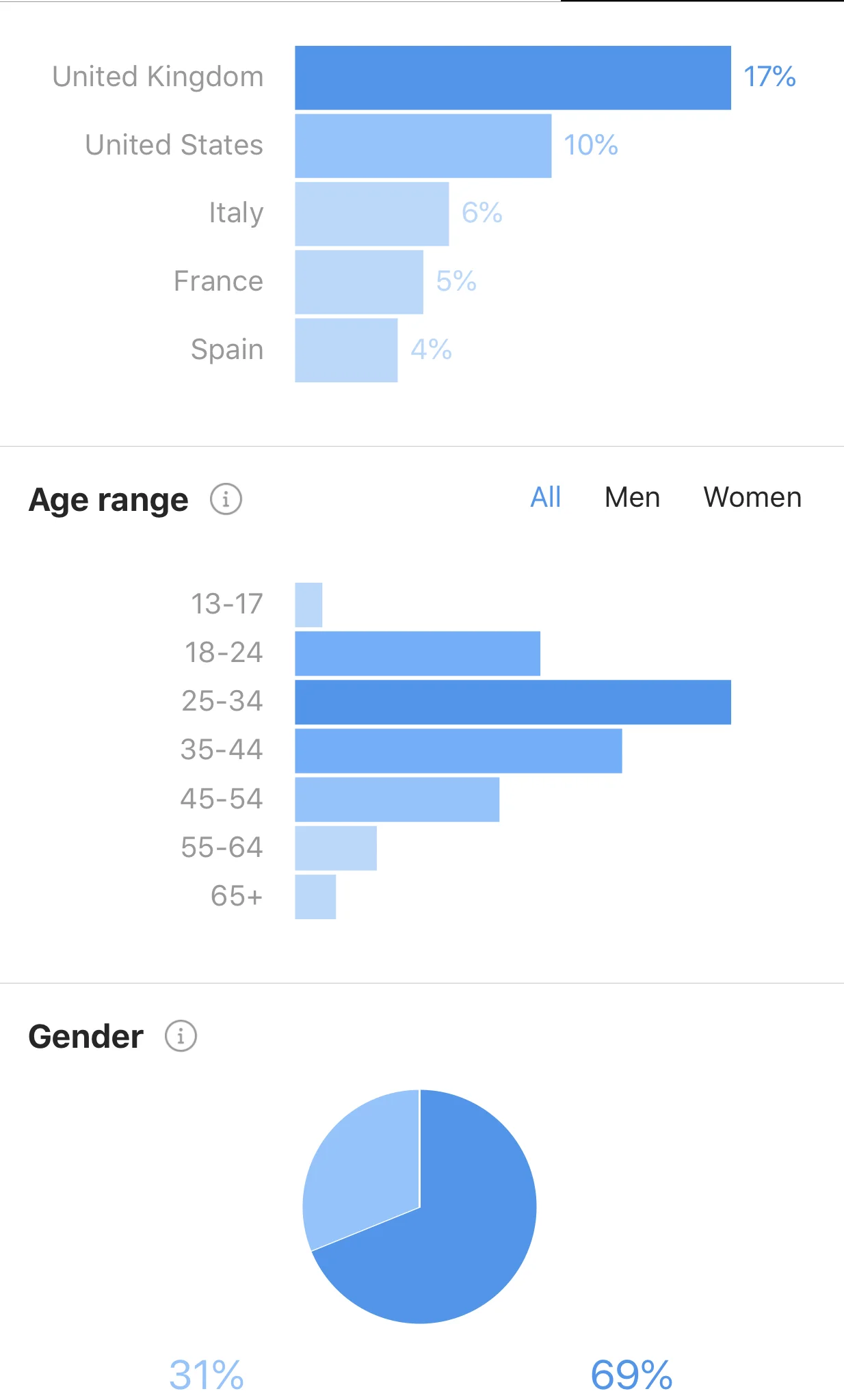
It does have a slight ring of "Aren’t you a bit old for this kind of thing?” and it is true that most street photographers who I follow (and who follow me) on instagram are 20 years (gulp - two decades) younger than me. Not that that should bother me - there are no age restrictions to developing a good eye or understanding the exposure triangle, or indeed breaking any of the rules that aren’t actually rules and that need breaking anyway (ahem). I digress. Maybe it’s more that most of my peers don’t feel the passion that I feel or the excitement for learning new skills, seeing things in new ways and, most importantly, having a chance to be creative.
That is what is at the heart of it for me. Being creative. I have realised over the course of my life, that the creative urge is more of a creative need in me. I need to feel creative to feel complete - to be me.
Mindfulness
There’s a great deal of talk about mindfulness and mental health these days. For me, I know that the creative process is key to my mental health. It is where I go to be mindful. It just so happens that it is street photography that provides that creative process.
Passion is an important idea here. Shooting street does bring out a passion in me. That doesn’t mean it always is easy or always pleasurable. Remember passion, as a word, has its root in the Latin for “suffering.” So if we are passionate about something, we are putting more into it than is absolutely necessary. How many times have you spent a day shooting only to feel that what you’ve shot is rubbish and all you have to show for it is a thinner sole on your trainers?
What am I trying to achieve? I do it because I have to.
It feeds me.
It completes me.
How about you? Some weeks ago I asked my instagram followers this question and I will be sharing further thoughts soon. If you’d like to comment, please feel free. I look forward to hearing from you.
Photobooks - a personal list
Everyone loves a list.
The desert island game is one I will willingly play from time to time - especially with music. Although choosing only ten tracks or pieces from a lifetime of passionate listening often seems as futile as it is impossible - moods shift, needs change and new things come along. The same applies to photo books. A new one is almost automatically elevated to favourite status and, if it’s not, then the purchase is always slightly tinged with regret.
So, which would you take? No fixed limit to the number of books but let's assume that your travel is not in some kind of mobile-library(!) so that there is some implied limit.
I started by imagining a top ten. I then asked my instagram followers for their favourites. This brought me a few familiar ones and some new books that I look forward to discovering. It also threw up the question of which books qualify - I had been thinking about books by one photographer. However, there were some really strong mentions of books about photography and some collections too
This first blog is going to focus on books by single photographers, leaving space for compilations (for want of a better word) and guides in future blogs.
I should also say that I am simply listing the book without a review. If you want to see what they’re like for yourself then there are plenty of places to look online or in bookshops.
So.. here we go. Click on the image for a link to buy online.

The Suffering of Light
Alex Webb
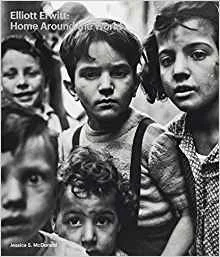
Home Around The World
Elliott Erwitt
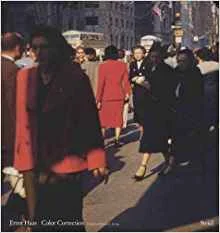
Colour Correction
Ernst Haas

Modern Color
Fred Herzog

Twilight
Gregory Crewdson

Valparaiso
Sergio Larrain

Henri Cartier Bresson
by Clement Cheroux

Youth Unemployment
Tish Murtha

Early Color
Saul Leiter

The New Yorkers
Robert Herman
Honourable mentions to Anders Petersen, Marc Riboud, Mark Neville’s “Fancy Pictures,” and the sheer gorgeousness of Sebastiao Salgado’s use of deep blacks in his monochrome images.
If your favourite is not listed, I’d love to hear from you. Like or comment below.
Til next time.
Photo Rich. Time Poor.
I am lucky enough to have had a week’s holiday; not travelling but just unwinding, catching up and reeling back some of the hours lost to the day-job over the past two months. I suppose that it’s part of my own sense of worth and some deep puritan work ethic that I am seemingly unable to completely stop. I begin my time off by making lists of tasks to achieve within the week ahead - one of which is to write this blog. (So here I am with less than 24 hours holiday remaining and a slight sense of guilt for not having done it earlier - anyone else been here?)
One of my main aims this week was to spend some time looking at photo-books. I have said several times in this blog space that one of the best ways to learn is to look at the work of the greats. It’s so important. It feed us, educates us , inspires us; yet it’s so easy to put off. Why wouldn’t I want to invest a small amount of time in something which I know will help me improve in an area I feel passionate about? Yet time is precious. Finite.
How long should one sit enjoying a pile of photo-books for? Two hours? One hour? 30 minutes? Ten? Even that can feel like an indulgence when there are other people in the house going about their business. Surely, one can find ten minutes in a week.
It turns out I couldn’t.
I do know where a considerable chunk of my time has gone. Social media. Specifically, Instagram and Twitter. In recent blogs I have written a good deal about social media and largely in positive tones. I am not about to change my view. While I find that I have spent a long time on both platforms - or longer than I would’ve wished - this is purely my problem and not one that I can blame the platform for. However, while I enjoy the capacity of social media to allow me to see many, many more images in a short space of time than ever before in history (and very easily too), I find that there is such a wealth of images to enjoy and respond to that I am not spending long on any of them. It’s become a swipe, flick and like mechanism. I consume hundreds of images in a day and I dread to think how much time I spend on each one. Or rather, how little time i spend on each one. I’ve learned to quickly take in the basic elements - composition, light, framing - but it’s almost a skim reading. Sometimes I probably spend longer writing a comment than looking. So many pictures. So little time.
Don’t get me wrong, I am inspired by what I see on social media, I learn from my peers, and it definitely feeds me - especially in encouraging me to pick up my camera, get out and start shooting. I need to learn to slow down and truly consider the images before me. In short, I need to chew my food, savour it and reflect on it, rather than always subsisting on the spaceman’s diet of a dry handful of tablets that contain just enough to sustain me.
This morning, the clocks went back. Today I have an extra hour. While I have been promising myself time spent with a pile of inspirational photo-books, the week has almost passed and I haven’t achieved it. So I hereby declare that I am going to commit to spending that hour with a fresh pot of coffee and a pile of books; a collection of paper images that I will turn slowly, savour, and force myself to look at more deeply. I come to them with the expectation that I will learn from them - both consciously and subconsciously. When I next pick up my camera I will do so with the improved knowledge and better vision that this hour and these books have brought me.

Likes, Inspiration and Social Media
My last blog garnered a good response on social media - lots of positive comments on Instagram and Twitter; if no actual direct responses on here; the website that hosted it. Maybe that’s the perfect response in itself.
Thinking on (and I’m not the first person to think of all the things they wish they’d said after the moment had passed) I think the major omission from the blog was: inspiration.

For me, one of the greatest honours is to know that I have inspired someone else. There were a few posts on my feed this week that drew that response - I’d encouraged photographers to go out and shoot and, more specifically, to go looking for reflections.
Basking in that initial warm fuzz, I began to think about inspiration. I have been so inspired by so many of the feeds that I follow on both Instagram and Twitter that I was surprised that I hadn’t focused on that as a major reason for swimming in the social media pool.
Inspiration is a two way street. I can hope to inspire - but I expect to be inspired.
The work of other photographers has opened my eyes to new ways of seeing, of processing, of framing...
It has inspired me to visit new places and helped to plan my street photography when I am there.
I have been introduced to the work of other published photographers - both living and dead - through references and comments in feeds. Some feeds even exist to publish work of long gone greats who probably never even used the words “social” and “media” in the same sentence.
Social media really does have the capacity to inspire on a worldwide level - both looking ahead to the future as you see the work of current photographers develop, and looking back to the past.
In short, I can’t help feeling that if you don’t find inspiration in social media then you must be following the wrong people.
Perfection Postponed

I’m writing this for myself, as much as for anyone else. I need to remind myself that sometimes I just have to get on with it. Stop putting it off and just do it, to coin Nike’s phrase.
No more waiting until everything is in place. Because it never is.
Let’s face it, we will never ever feel that something is completely ready, never feel that it’s good enough, never feel that we have said it, photographed it, processed it... in the best possible way.
So get on with it. Print your work. Make a book. Host an exhibition. Launch your website. Photograph strangers. Whatever it is…do it. Unless we actually begin, we will never finish. And, do you know what? Sometimes, when we begin, we realise that the finishing part isn’t quite so hard.
Last time I said "We are all seeking the ultimate photograph. That one shot that says it all!” That wasn’t meant as a reason to give up because we will never be satisfied. It was meant as a recognition that it is that very act of striving that makes the likelihood of achieving it more likely. As Elliot Erwhitt said "Nothing happens when you sit at home."
So what is the ultimate photograph? We assume that every great photo we see is perfection itself, don’t we? Just because it’s in a book, or on a gallery wall or on Instagram. But every artist, great or small, from Sebastian Salgado to the girl next door with her selfie stick, must surely feel as we all do. That they could have done it better if…and you can finish that sentence yourself with one of over a million different reasons.
Think of your best photo. The one that you are most proud of. If you have a website, it’s that one there, right on the Home page. If you could show me - I guarantee you would also point out where it could be improved. If the light had been better; if you’d got there later, stayed there longer; if you hadn’t over saturated the processing… We all do it.
It is human nature to compare ourselves and our achievements with others. And to put ourselves down. It stems from a primeval need to survive, from a time when we humans were always on the look out for threats. But there are no sabre toothed tigers on Instagram.
We are all constantly striving for artistic perfection and never feel that we achieve it. And, do you know what? That’s fine. It’s the striving and envisioning that is important. That is how we hone our craft. By taking the shot, putting out there and gauging the response. Not by sitting back and waiting for the perfect moment.
Imitate, Innovate, Invent

Who's the leader?
Hungerford Bridge, London. Sept 2018.
Sometimes it seems that there is an almost constant reassessment and reevaluation of social media. Often the most vocal critics are those who seem unable to walk away from it. Personally, I enjoy the opportunities to learn from others’ work, and to place my own in the public eye for a far wider audience than I could ever have dreamed of. The way I see it, we are all learners, learning all the time - to a greater or lesser extent. Even those with tens of thousands of followers post disappointing images sometimes. And do you know what? They probably never feel completely satisfied with their work either. I bet that occasionally they post photos that they expect to be met with great acclaim, only to find the silent curse of internet tumbleweed blowing through their feed. Just as I do. And at other, less-inspired times, they probably post something that’s been gathering virtual dust in the cellar of their hard drive, only to find it being greeted with wide acclaim and a posse of new followers. Just as I do.
We are all seeking the ultimate photograph. That one shot that says it all!
It’s human nature to want to get better at whatever we are doing. We are also our own harshest critics, pointing out why our latest great hope is actually fatally flawed. We failed to nail it. Name your top three all time greatest photographers and I guarantee that they would tell you that they never nailed it either. Cartier-Bresson, Winogrand, Leiter, that Instagram shooter with a squillion followers… If only we could ask them.
It’s natural to be striving for improvement; for innovation; for that new angle. There’s always something we could do better next time.
Throughout history people have been inspired by others. It’s natural to want to recreate something that has brought us pleasure. That does not mean a direct imitation - plagiarism - but a desire to create something which evokes the same feeling, creates the same atmosphere, has the same message; or any combination of these and more. We learn by imitating. It helps us to understand what the originator did - be it artistic, scientific, sporting - whatever...
Once we have understood how something was done, we can then assimilate that technique into our own skillset. We are in a new position - we are able to innovate. Taking our new skills, we bring our own background, experiences, tastes etc to the creative process and can now shoot a new image. This image is rooted in all we learned from the original artist but we have moved it beyond imitation to create something new. This innovation is all part of finding our “voice” or distinctive style.
We have all experienced knowing who took a particular image before being told, simply by recognising certain elements and features of their style. With perseverance, the best artists find their own distinctive, easily identifiable style. They have learned their craft and have moved beyond imitation and innovation, based upon their initial artist led inspiration, to a higher state where they are able to use their hard earned skills to create something totally new, in their own unique voice. This is invention. Invention needs both imitation and innovation. No one invents in a creative void, out of nowhere.
This is the learning process. It is something everyone goes through - from learning to speak to painting the ceiling of the Sistine Chapel. Pick up a photography magazine and you will read an interview in which professionals tip their hats to those who have gone before. They are happy to acknowledge the influence of a Robert Frank, a Cartier-Bresson, a Garry Winogrand. Or go to a big hitter on Instagram and you’ll find that very often their feed will happily direct you to others who they admire. Even the first photographers (without any photographers to emulate) were influenced by the fine artists of the past, learning composition from the painters and sculptors of the previous thousands of years.
It was partly as a result of a recent tense exchange on social media that I decided to put down these words. The debate centred around the use of public spaces and whether one photographer can claim to own a specific view because they believe they shot there first. The streets are busy places and London (perhaps more than other cities at the present time) is seemingly filled with street photographers. Beyond that, anyone with a smartphone has the capacity to shoot in these popular places. The great views are, after all, popular for the very reason that they are great views. Some places will be there for centuries to come - monuments, grand buildings, landmarks. Others are more transitory than others - advertising hoardings, building sites etc. Perhaps the work of another photographer encourages us to emulate their work in a certain place, or even to feel that we can build on what they achieved, having a go at creating something new for ourselves as we seek to present our own unique take on our surroundings. Once we can imitate what they have created, we can then innovate and finally invent our own unique image. Each of us is a singular and creative individual - each with our own unique outlook, background, likes, dislikes, tastes and way of seeing. We are all striving to develop our own voice or style that incorporates that uniqueness - but we need to learn from those around us and those who went before.
There is room for us all.
Working the scene - fishing for photos.

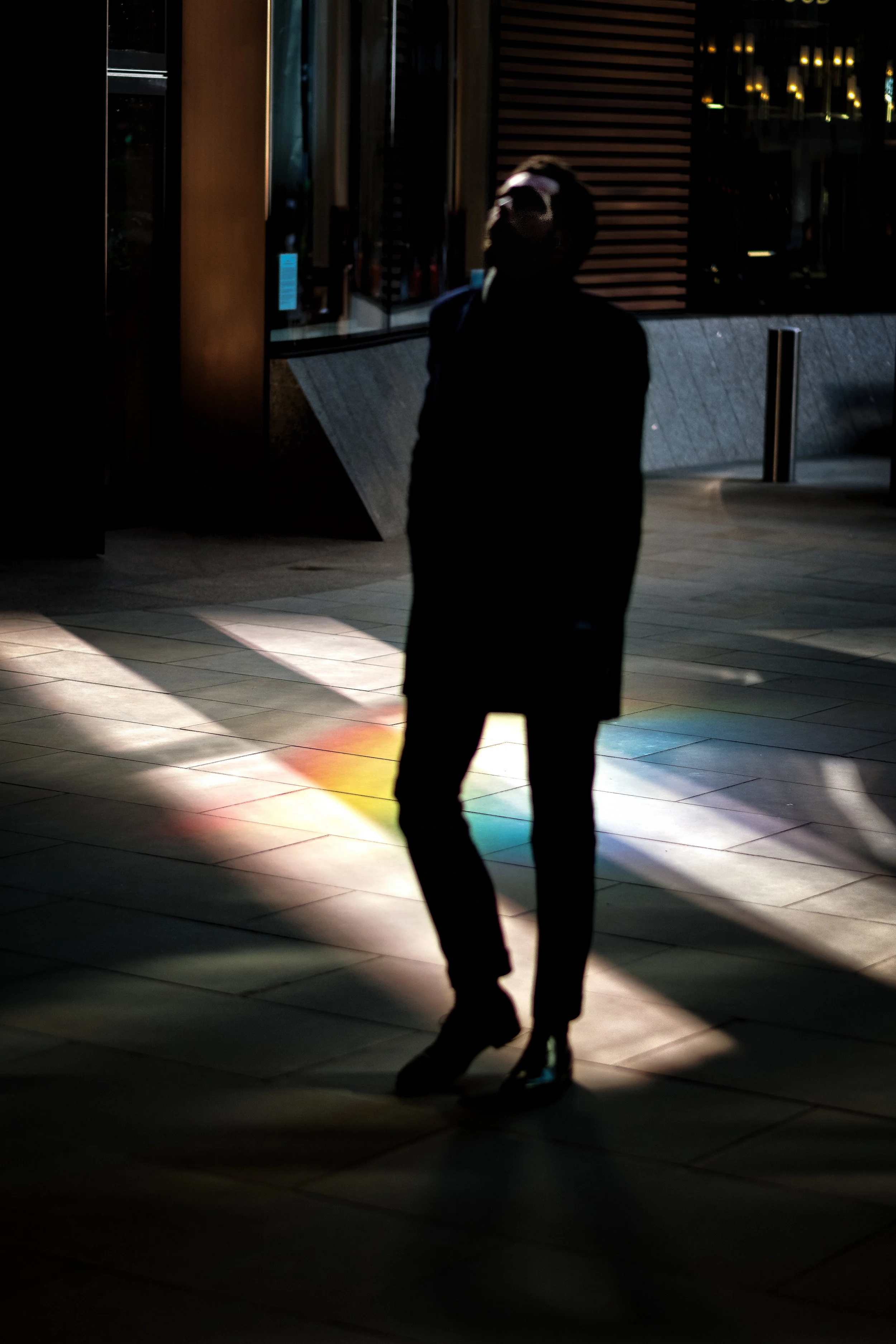
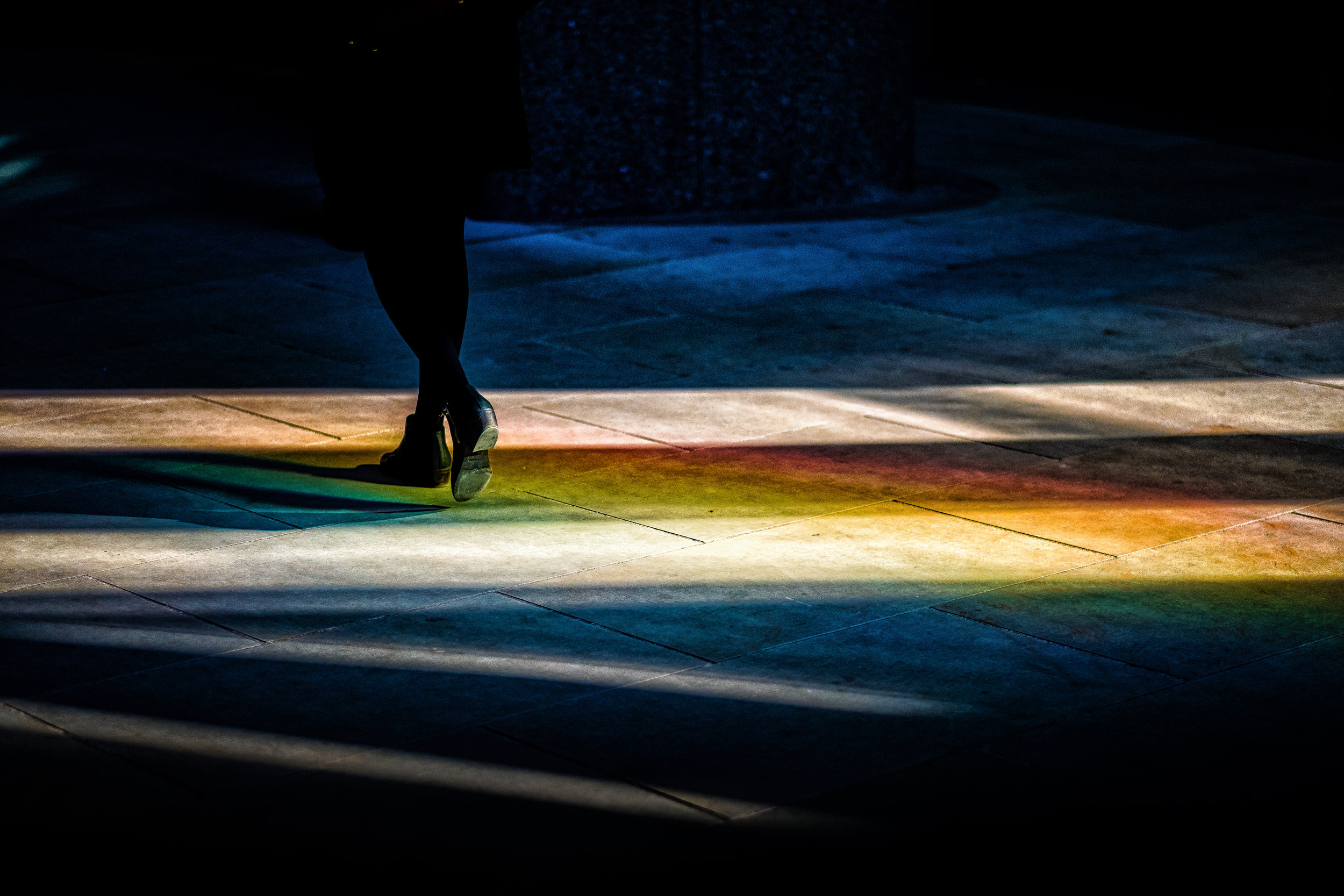
Most street photographers will favour one method of shooting over another. First, there are the "hunters" who go out looking to see what they might find and satisfy themselves with unplanned, unexpected stolen moments that happen to come their way. They rarely stand still and will walk around following their noses, the light or an interesting character or scene as it plays out.
Then there are the "fishers" who will go out specifically to work a location or scene. This may be somewhere that they have been successful before or somewhere that they have made note of and planned to visit for some time. It may be a chance discovery which anchors them for a while until they are satisfied that they have what they came for. Some will wait a short time, but many will wait patiently for an hour or more until they are satisfied that they have what they came for.
Temperament must play a part in whether a street photographer is more hunter or fisher. The weather must surely be significant too. I suspect that there are more fishers in sunny Mediterranean climes than there are in London.
Personally, I am more of a hunter. I get restless and bored in one place unless there is a lot going on. Waiting for a character to enter a scene (who may or may not turn up) fills my mind with all the images I could be getting if I moved on and found something else to shoot. Furthermore, if I stay put I risk being moved on or arousing suspicion. Easier to keep moving.
Like all hunters or fishers, I can change style if I find the right circumstances. And one of my photographical resolutions for 2018 was to slow down. So... nothing for it then!
On Monday I was shooting around the City of London. The light was fabulous - strong and directional through the towering monuments to capitalism. In one dark walkway there was a reflected rainbow of sunlight from a high window that slanted across the pavement like some heavenly dancefloor. It was just waiting for the right feet to break the rhythm. As you can see, I stayed for some minutes and enjoyed the carnival of legs and feet that tripped their way through that fabulous light. The problem is that I now find myself unable to decide between a gallery of similar shots. Three are posted above.
How about you? Hunter, fisher or bit of both. Let me know.
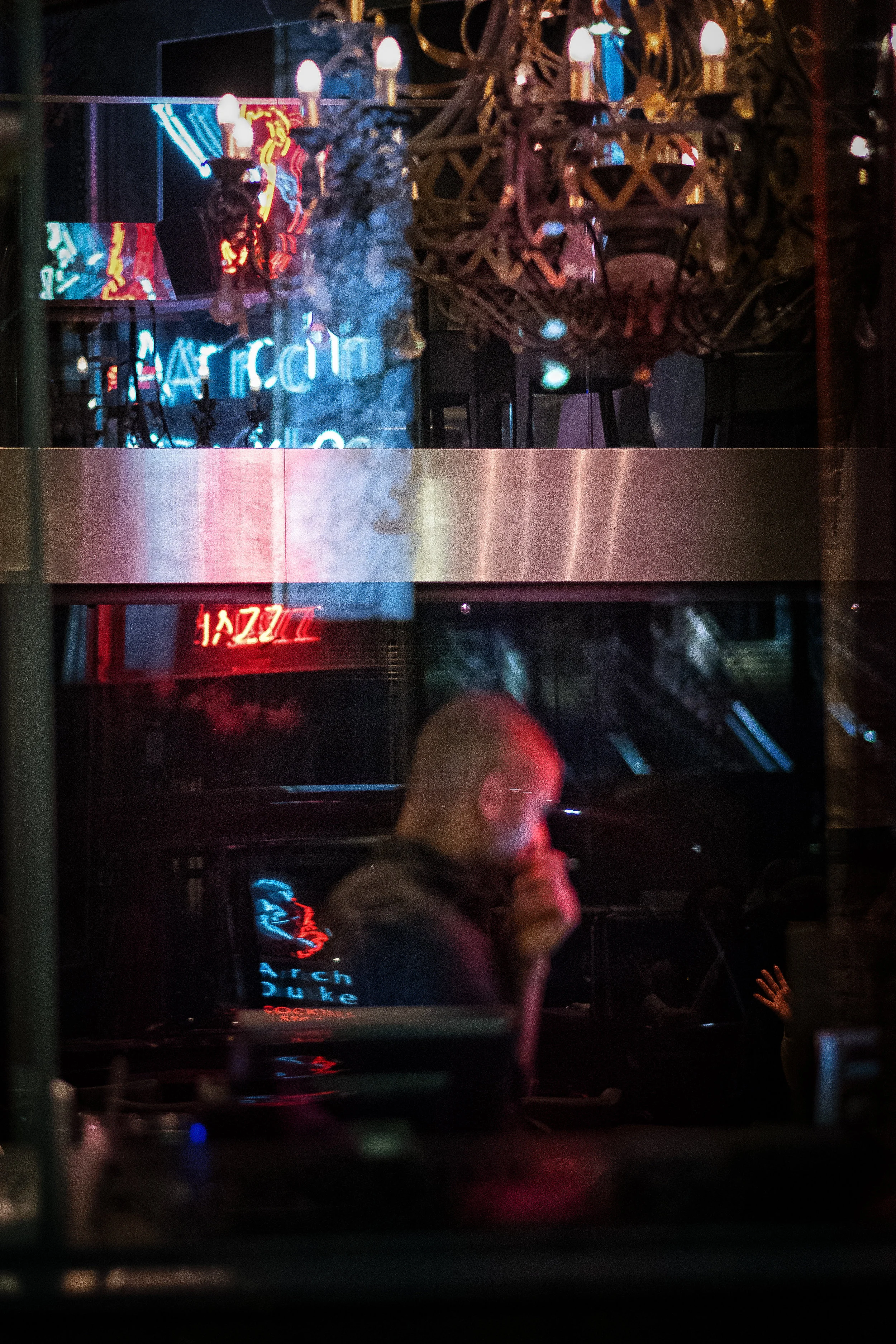
It Don't Mean A Thing If It Ain't Got That Swing.

Jazz and Cocktails. London, Jan 2018.
“Writing about music is like dancing about architecture. It’s a stupid thing to want to do.” Elvis Costello says; at least he is just one of several musicians who this quote has been attributed to. The more attributes, the more pertinent - perhaps. So, if writing about music is like dancing about architecture, how about writing about photography? And what about about the connections between jazz and street photography? That is what is currently occupying one partially lit corner of my mind.
Many great photographers have shot evocative images of many great jazz musicians, it's true - deep blacks, crisp rim-shot whites, all filtered through a haze of filter-less Gitanes smoke. You can almost hear the flattened fifths of the tenor saxophone. The music and the stylised black and whites take us back to a bygone age when cigarette smoke was de rigeur and a kipper tie, pork pie hat and blacked out shades was the uniform of the new school of jazz. But that particular alley is not where we are heading.
Instead, I want to explore the connections between jazz and shooting on the street.
Music and photography both have their own distinct subcultures or genres, each demanding a different appreciation and I think there are similarities here. Take landscape photography. This requires a considered approach, taking time, preparation and precision to create the greatest images. In this it is a kin to classical music. The holiday snapshot; surely that’s pop music. Immediate, brash, unsophisticated for the most part, disposable yet relevant and life enhancing. Street photography must be jazz.
Jazz relies on certain rules or forms. Structures are learned - scales, cycles, blue notes - forwards and backwards and around. Well known songs, standards, are revisited time and time again as new elements are unearthed and discovered or rediscovered by new bloods eager to make themselves heard. It requires a great deal of technical proficiency. These structures are echoed in street photography with its foundation in other genres of photography and of visual art - the rules of composition, the work of the greats on whose giant shoulders the photographer attempts to climb.
Perhaps the defining feature of jazz is its reliance upon improvisation. True, this is not confined to jazz. Classicists will tell you that the great composers created frameworks for improvisation. However, it is improvisation which defines jazz. This, to me, is where the arcs of jazz and street photography swing closest to one another.
The dictionary will tell you that improvisation can mean making do. Who would want to sit on an improvised chair, or tuck into an improvised meal? Improvisation in jazz is not about making do. Far from it; but it is about making, creating something afresh. It is about an artist at the peak of his/her powers, creating something on the spot whilst referencing the traditions that preceded them and demonstrating their technical prowess in response to a given situation. It means a high level of technical proficiency combined with a high level of creativity.
Isn’t this what the street photographer does? In creating a new image, they bring to bear the knowledge of every image they have ever been influenced by. They use their technical expertise coupled with the inside-out knowledge of their camera, each button and lever falling into place instinctively just as the keys of every piano or saxophone do in the hands of the most skilled jazz musician. And they do this instantaneously; responding to whatever happens along.
It is this ability to react quickly to whatever is going on around them which makes a great street photographer or great jazz musician. It is part anticipation, part learned technique and part luck. The challenge is to rearrange the world into something beautiful from whatever ingredients you are handed at the time.
The moment of creation is one of stepping off into the void. For a jazz musician, it means being able to imagine the sounds before they have been made; for a photographer it is about envisaging the image before the shutter is pressed. Nether moment is repeatable in quite the same way. This is what puts the energy into the piece or the image. This is where the excitement lies.
Perhaps most significantly, jazz also likes to throw away the rules. At its most free, it is simply a celebration of sound and reaction to an environment. Street photography, too, is at its most creative and innovative when it bends the rules, breaks the structures and surprises our expectations. A celebration, a riot of light.
As the great Charlie Parker said: “They teach you there’s a boundary line to music. But, man, there’s no boundary line to art.”
Jazz has always doffed its pork-pie hat to tradition but forged bravely forwards into new territories and this, to me, is what street photography does best.
2017 Reflections
According to Lightroom folders, I’ve taken about 20% more photos this year than in 2016. I already shoot too many. Of course, the number on file is nothing compared to the number taken - I delete a huge proportion of the number I take. And, I guess, like any street photographer, many of these will include the nearly shots - the ones that would’ve been classics if I hadn’t missed a head off or framed the action too far off the edge, or forgotten to switch the camera on/insert SD card/bring extra batteries. Ah the ones that got away.

2017....
Crucially, have I improved? As Yoda puts it in the latest Star Wars movie “The greatest teacher failure is.” Perhaps this is the new hope - that we continue to learn from our mistakes. I have to believe I have and looking back at last year’s photographs I certainly feel that this year’s crop are more knowing, more intelligent. They have probably lost a certain innocence or naivety. That, in itself, may not be such a good thing. It isn’t good if my images have simply aligned themselves to others' perception of what makes a good shot. I hope that I have maintained an essence of me and even developed a more recognisable style. I still try to take the pictures that I want to see - rather than trying to conform to someone one else’s view of what works.
This year I have even discovered the joys of printing. For as long as I’ve been taking photos seriously they have existed only on a computer screen or a mobile device. My first exhibition at the tail end of the year necessitated finding out about printing and seeing the first fifteen black and white images printed was such a proud moment, eager to unwrap them at my desk and showing any poor soul who happened to be passing. Thanks to the Printspace for doing such a great job. The exhibition was a far greater success than I could ever have dreamt and I loved giving my talk - who knew I’d love talking so much? (Ahem!) Following the exhibition, some of the prints now hang in my home and in my office and I do still enjoy seeing them, adding to the sense that I am shooting the shots I would like to see. Long may that last.
A year ago my website was only a few months old. A year on, blogging hasn’t exactly been frantic but it has been fairly regular and consistent - enough to see the site in the top 50 street photography websites online - though I wonder how many there are… I’ve bashed away on Instagram and Twitter and seen my following increase, now approaching the 1,100 mark on instagram (not huge but not nothing). More importantly, as a result of plugging away on these I secured an interview and feature with Digital Photographer (Issue 195) and a feature on www.streetphotography.com. Both of which I thoroughly enjoyed.
Honestly, if you’d told me at the beginning of 2017 that by the end I’d have achieved half of the things above I would have struggled to believe it. I’ve been very lucky and very well supported. You know who you are... thank you.
Artistically, my photographs are better. I know they are because I am more fussy about quality control and what I will allow through. I have improved my editing workflow and become better - more subtle but still with some way to go especially with colour. I have honed a style that uses sub framing a lot and is better for it. I have improved my techniques with night shots and my street work is now more about capturing well composed moments and not simply catching a passer by on the way to the supermarket.
So, if could go back a year, what advice would I give myself?
- Believe in what you’re doing especially the black and white - and be true to your vision of what is right.
- Keep pushing the social media on a regular basis. Blog too whenever you can.
- Don’t underestimate the value of just sitting and looking at pictures - online, in a book or a gallery. If that doesn’t sit comfortably with your Protestant work ethic, then think of it as high class training for the eyes.
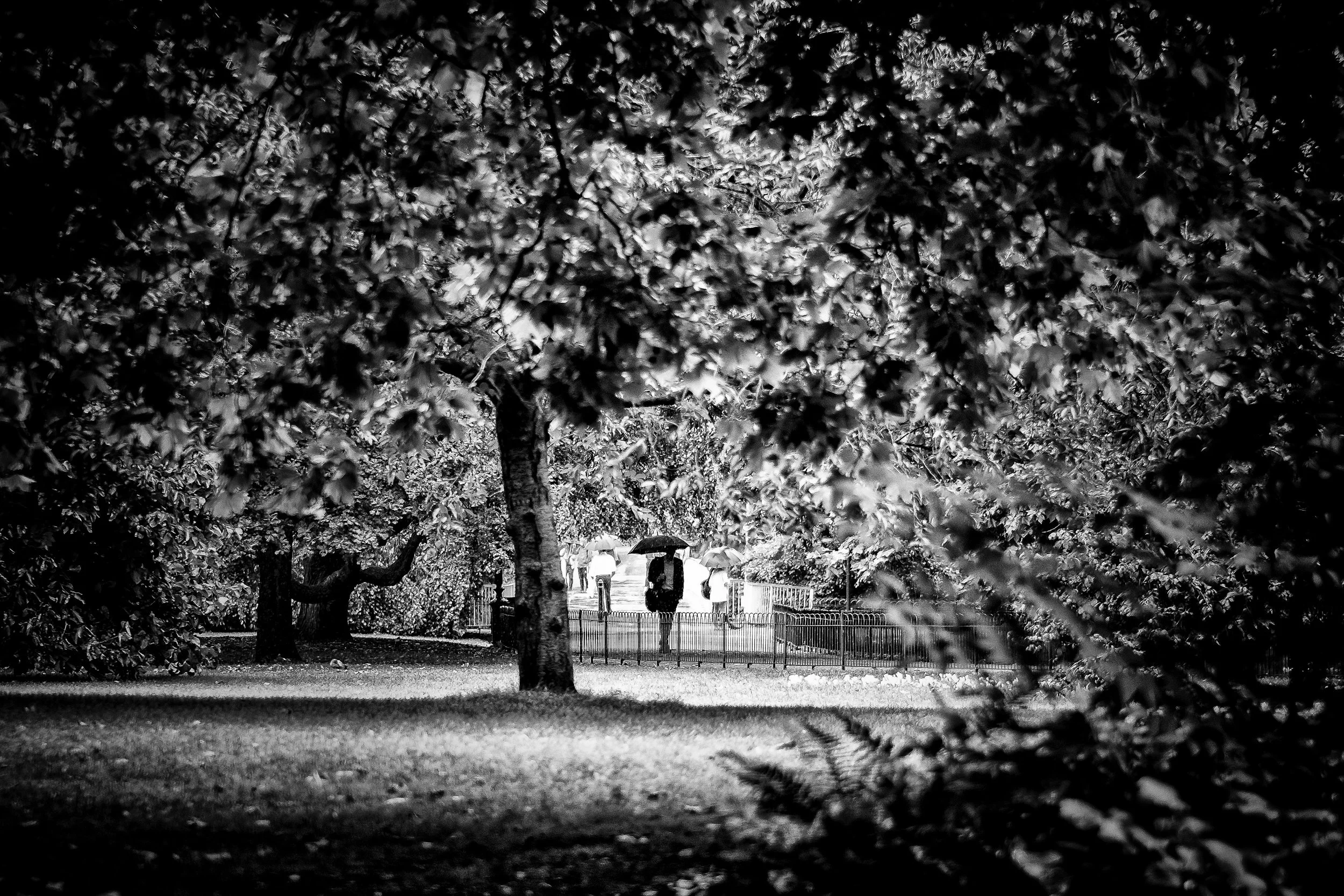
The Frame With No Name
Should we name our photographs or let them speak for themselves?
If you read my last blog you will know that I am in the process of preparing for my first exhibition. When I say “my exhibition,” I have a small space to myself alongside five other photographers. But it’s my space. And I love it. Or, at least, I will.

Hyde Park Shower
I’ve learned a lot in the last few days. Decided who will print the photographs; narrowed in on a few potential paper types; worked out the optimum sizes; considered framing and not framing and decided on framing; looked at an unbelievable range of shades of white....
I’ve even met my framer.
And all the decisions have been mine. Something I guess I’m not used to. No one else's opinions to listen to this time. I suppose it doesn’t really matter to anyone else. It’s my show.
And as the options narrow as each decision is made, one decision begins to loom large.
Should I title my photographs?
One of the things that draws me to street photography is the way it captures a place and event in time. I remember looking at early photographs of my home town and imagining how it must have been to have lived there decades before - no cars; long-since-disappeared timber framed houses where they “put up a parking lot,” and so on. Glimpses of the past still fascinate me. Today, there’s remains something in me which needs to record dates and places. That’s fine. So perhaps I should scrawl Paris, August 2017 alongside a cafe scene. But then again, do I need to broadcast those alongside the photograph for everyone else just because I’m interested? My framers suggests not recording the place because people then bring their own interpretation. A scene that appeals to them, and perceive as being London could turn out to be Berlin. What may be Paris for some could be London, or Barcelona for others...
But why do I feel the need to add a title? Perhaps it’s the story teller in me. The best street photography undoubtedly hints at ( or even broadcasts) a narrative. Does a title steer it too heavily or does it enable the viewer to see it a little more as the photographer saw it?
Maybe it’s another way of fixing a particular shot in the memory. When you’ve left the exhibition, turned the page or browsed to another site, how do you conjure up the memory of the image if you have no words to do so? Can you really recall a particular shot if it is simply referred to by the way the light falls across a scene and who it falls upon? How do you refer to it in conversation?
So, having written this, I’ve decided that my framed photographs will be titled. Probably place-less. I like the fact that each shot is part of an untold story. Sometimes the stories will fit together in a longer narrative. Sometimes they stand alone. Whether they are true representations, or entirely imagined snaps from a fragment of time, is irrelevant. They exist. And they deserve a name. Like children.

I need your help.
I need help. Anyone got any tips for my first exhibition?
Yesterday I visited Farnham Pottery Arts (www.thefarnhampottery.co.uk, an old working pottery close to home that was rescued from the property developers to become an arts centre and a home for several professional potters and other kick-wheel enthusiasts. It’s a fabulously creative place. You can feel as soon as you step inside.

The reason for my visit is that in a few weeks’ time my very first public exhibition of my photographs will be held there. I’m down on the bill of five other photographers in the series The Seeing Eye which is looking at how artists (in this case photographers) respond to their environment. For me, specifically, the street. It’s hugely flattering.
Unlike those who shot back in the good old bad old days, my photos exist on screen only - in the cloud, on my MacBook, my phone, my website, Instagram, Twitter, 500px, Facebook - almost everywhere. Just nowhere that you can actually reach out and touch them. And this poses a multitude of questions. In fact, the learning curve seems akin to scaling Everest at the moment - there are so many decisions to make.
I need your help…
I have a small space - low down the bill, (did I mention that?) - so choosing a handful of my current faves shouldn’t kill me. However, …then what?
How do I go about finding the right place to get them printed?
What paper?
What ink?
What size?
And what about mounting? Or unmounted?
How much should I charge to any interested buyers?
Who knew Everest was also surrounded by a minefield?
I would be genuinely grateful of any tips, pointers or "don’t do’s" that any of you may come up with to any of these questions (except the Everest one). Comment below or email me hugh@hughrawson.com
And if you’re in Surrey between 7th Nov and 7th Dec this year then chug along to Farnham Pottery to support me and the other more famous five…
Always Rattling Something...
"They're not comfy or cosy. You're always rattling something."
This is how my photographs were described to me recently. I’m still not quite sure how to take it but at least it means I’m developing something of a recognisable photographic style. Every photographer, indeed every artist, seeks to develop their own style over time, whilst also acknowledging the debt we each owe to those who inspire, and have inspired, us.

As a sixteen year old with a trumpet in my hand I was keen to hone my own sound and thought the best way was to try to avoid any influences. So turning my back on the Miles Davises, Freddie Hubbards, and Lee Morgans, I tried to reinvent jazz as we know it. That's why you never heard of me.
I suppose that when I think about my musical taste (if taste is the right word - maybe voracious appetite would be a better description) I realise that it is more quirky than mainstream and this probably represents my world view. It would seem that my street photography is also a reflection of that. My personality/interests/quirks are showing through. And I suppose that's a good thing even if it's not for everyone's taste. At least it means my own style is developing. Whether a style ever fully develops and we, as artists, reach an end point is debatable - and probably for another day.
I know some people are shocked by what I do and feel that I am invading privacies; quietly disapproving of candid street photography. Others look but can't imagine getting so close or being so brazen. But maybe this is just me out there rattling something. I certainly don't do it to cause offence. I just like to capture the mundane and shine a spotlight on it, the way I see it.
And with this blog, I now get to write about it.
This week it somehow found itself in the top 75 street photography blogs in the world. For that, I am very grateful and have a nice new rosette to show for it emblazoned on the site, like a calf length tattoo - but one which I won't be hiding in my sock at interviews. A huge thank you for putting me there. If you'd like to see the list including the other 74 then you can find it here:
http://blog.feedspot.com/street_photography_blogs/
Please do click through and take a look at some of the amazing thoughts and images my street photographer colleagues have posted.
Teaching me to see.
Of course, in my last blog, I didn’t mention the main reason that many people take photographs. The creative outlet. I firmly believe that our capacity to express ourselves artistically is a major element of what separates us from beasts. I have always felt this drive - be it through music, writing or photography - and have dabbled in several areas while I have sought to find my voice, my style or the best way to express myself. It is a basic need and one which often restores equilibrium at the end of a busy day; for those of us who don’t work in the creative industries at least.
I can trace my interest in photographs, if not cameras, back to my childhood and my parents giving me a Polaroid camera when I can’t have been more than about seven. However, once my dad had read the instructions and discovered that the prints were coated in poisonous chemicals, it was taken from me in order to keep my younger siblings safe. That camera was swapped for what I believe was a Kodak Instamatic 133 with a cuboid four flash attachment. Obviously it didn’t bring the instant gratification that a Polaroid would have brought to an impatient seven year old. But it didn’t kill my brothers and sisters either.

Christmas with an Instamatic, siblings and someone's friend... (c.1972)
Time passed and I swapped the Kodak’s cartridge film and its funny purple flashcube for my first SLR. By now I was a student and could afford (!) a Praktica - don’t ask me what model or what happened to it. It was responsible for some suitably mean, moody and magnificent shots of south east London in the mid 1980’s - not to mention the flat-tops and misguided mullets of some of my friends.
There then followed a photographic drought - with the exception of the odd holiday and small child snaps - until two developments swept me up. One was technological with the advent of digital cameras and a chance freebie on a teaching course which provided me with a very primitive digital camera and a laptop. It wasn’t inspiring. But the technology was moving and soon I was able to have a camera that was small enough to fit in a jacket or a cycle jersey when I was out and about. Before too long even on my phone. Like many people, the best camera being the one I had with me, the mobile phone camera has become a way into (or back into) photography.
The second development came when I was introduced to a Fuji bridge camera and taken out into the Hampshire countryside for a day with a friend. The pictures I took that cold January day were amazing - or so I thought. Blurred streams, frozen waterfalls, close-ups of leaf skeletons … Actually, the quality didn’t matter. Here was something which hooked me. It was expressive but it also required a degree of technical know-how that I could spend time learning.
While the bridge camera has been superseded, my friend hasn’t and now many of my photographs are taken on stolen, precious days out with him and another friend - two photographers who know far more than me and have taught me much in the last few years. We descend upon our chosen venue - very often London - and shoot whatever grabs us, punctuated by espressos, pies and pints. Much of the time we are apart, only a matter of fifty to one hundred yards, but when we come back together we are always stunned by the huge differences when we compare shots on our viewfinders.
We all see things differently.
Once, a photograph was a photograph was a photograph. At least that's how it seemed to me. I've come to realise that any photograph reveals as much about the photographer as it does the subject. The three of us express ourselves in quite distinct ways and each has his own style. See for yourselves here: www.flickr.com/photos/auribins and www.flickr.com/photos/andythekeys.
Not only do I now understand that I see things differently to the photographer either side of me (just as they do) but also that I see things differently to how I used to before I was so camera-centric. A camera is never far away but even when it’s not in my hand I am constantly framing, composing and looking for images. It has made life much richer and brought the dullest activities to life. There is always a photograph out there if you learn how to find it. As a far better photographer than me (Dorothea Lange) once said: "The camera is an instrument that teaches people how to see without a camera."