Trying to See Like Sergio Larrain
What happens when you try to photograph in the spirit of Sergio Larrain?
A short reflection on London, 1959, and what I discovered when I tried to apply that way of seeing on the streets today.
What happens when you try to see the world the way another photographer did—knowing full well you never really can?
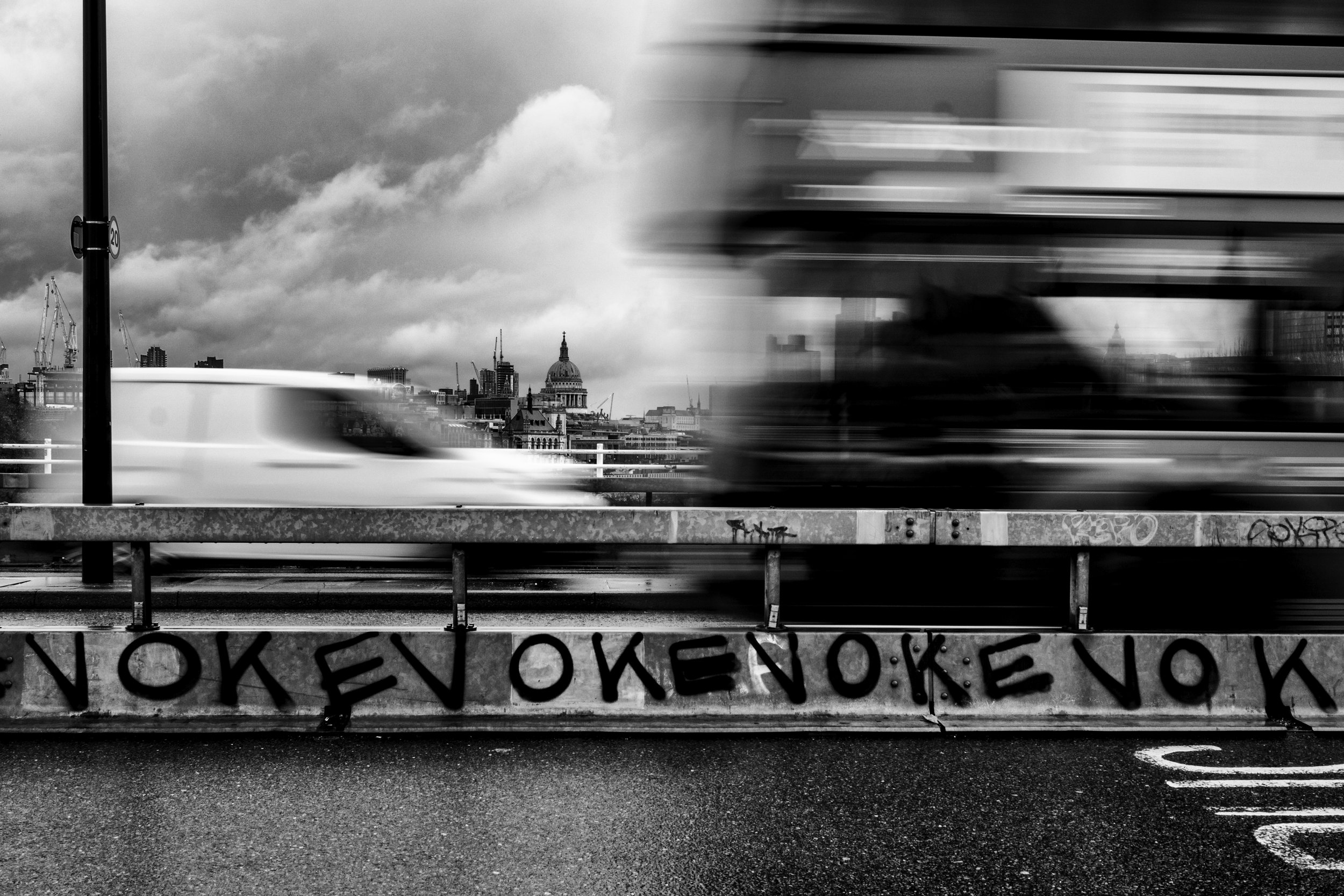
There’s something quietly magnetic about the way Sergio Larrain saw the world. His photographs don’t shout; they linger. They sit somewhere between observation and feeling—suggesting more than they explain. When I first came across his work, and in particular London, 1959, it didn’t just inspire me—it unsettled me a little. In a good way.
This post is really a companion piece to two recent videos on my How I See It YouTube channel. One explores the book itself—what makes London, 1959 so distinctive, and why it still resonates. The other is more personal: an attempt to step into Larrain’s way of seeing and photograph in that spirit on the streets of London today.
“Influence isn’t imitation—it’s friction.”
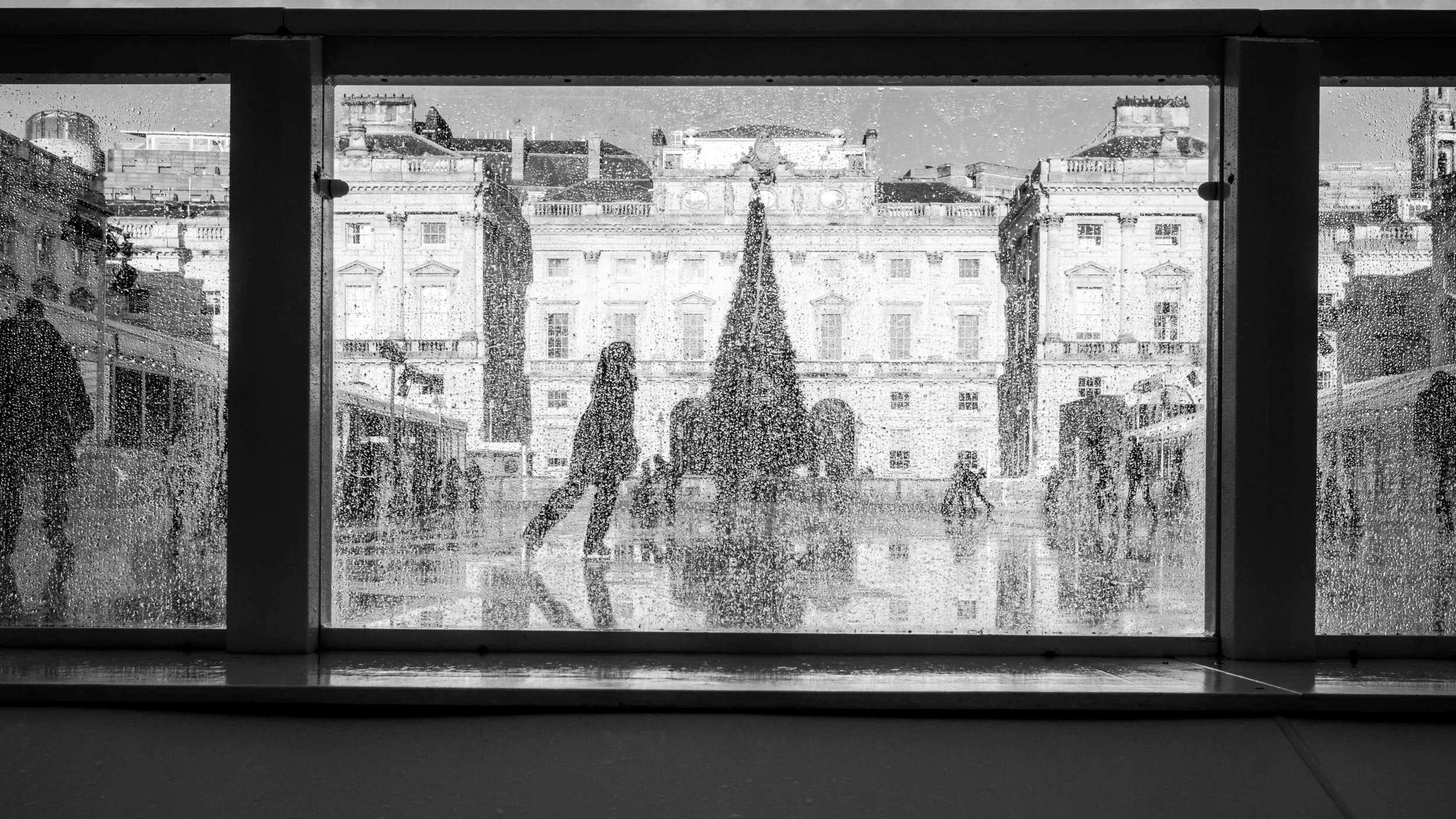
Looking through London, 1959, what strikes me is how much space Larrain gives to ambiguity. Figures dissolve into shadow. Compositions feel instinctive rather than constructed. There’s a looseness, but also a precision in where he places himself. It’s not about capturing a decisive moment in the traditional sense—it’s about capturing a feeling that might slip away if you overthink it.
That idea became the starting point for my own experiment.
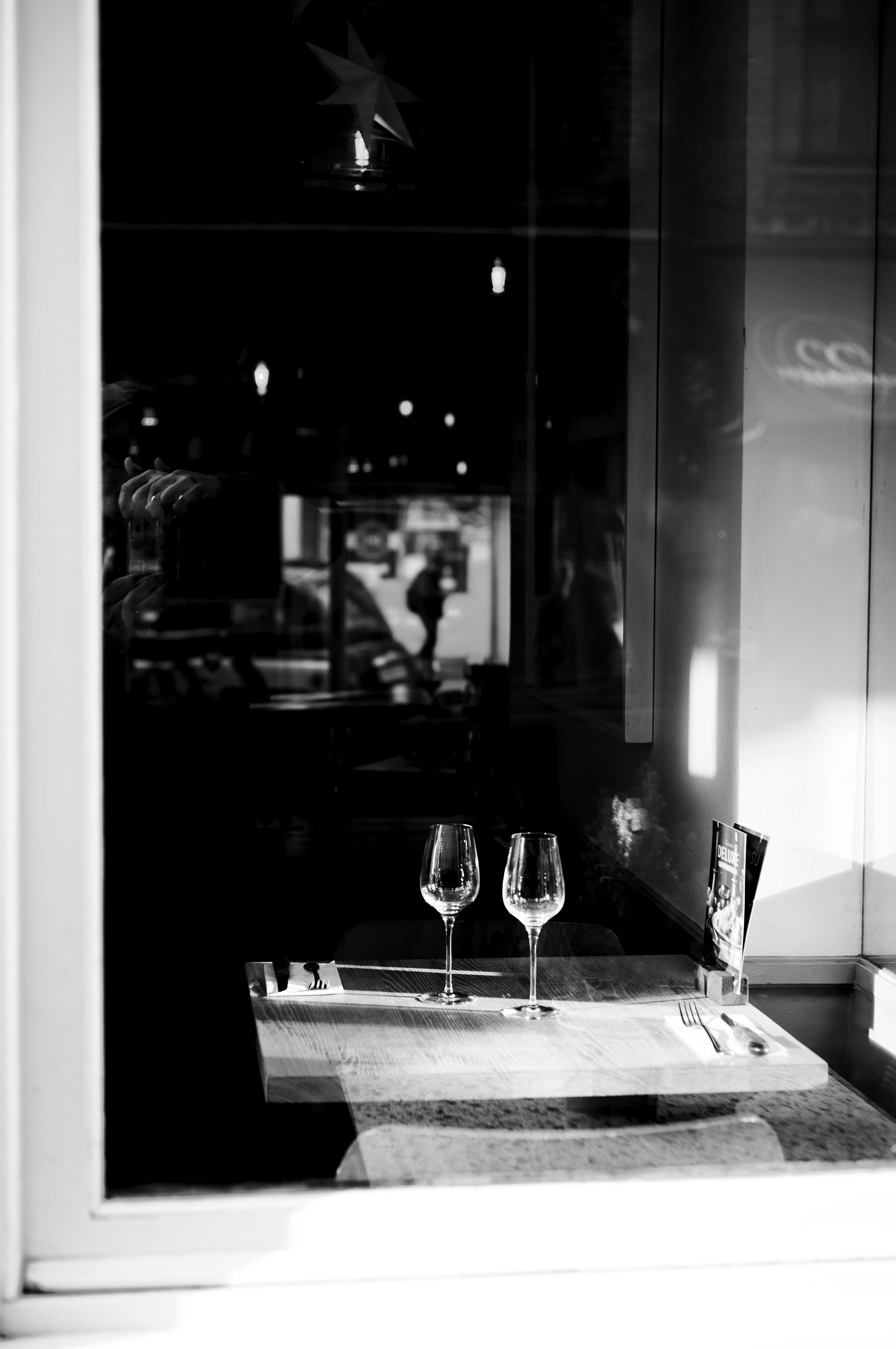
In the second video, I set out with the intention of “shooting like Larrain”—which, of course, is slightly impossible. You can borrow an approach, but not a way of seeing that’s shaped by someone else’s life and sensibilities. What I found instead was a tension I recognise in my own work: the pull between atmosphere and moment. Between letting a scene breathe and wanting something to happen within it.
Trying to lean into Larrain’s influence pushed me to slow down. To accept less obvious frames. To trust layering, shadow, and gesture rather than waiting for something overt. At times it felt uncomfortable—like I was passing up “better” shots. But reviewing the images afterwards, some of those quieter frames carried more weight than I expected.
“The tension between atmosphere and moment—that’s where my photography really lives.”
That’s probably the biggest takeaway: influence isn’t about imitation. It’s about friction. It nudges you slightly off your usual path and makes you question your instincts—what you include, what you exclude, and why.
I’d be genuinely interested to hear your thoughts—especially if you’ve ever tried to shoot in the spirit of another photographer. Did it change how you see, even temporarily? Or did you find yourself pulled back to your natural way of working?
For me, it’s ongoing. Larrain hasn’t replaced what I do—but he’s definitely shifted it.